
Value Types in Goochland Records
Several numbers can attach to one property. Each exists for a separate purpose. The Assessor sets the parcel assessment, the figure local taxation rests on. Taxable value may drop when an exemption or land-use treatment applies. Goochland's exact card fields are not stated. A sale price, or consideration, belongs to a recorded transaction when the deed states it. A market appraisal is an opinion of value made for one particular purpose. It is not the county tax roll.
| Value | What It Is | Where |
|---|---|---|
| Assessed value | County valuation used for tax administration | Assessor assessment record; exact live field label not captured |
| Taxable value | Amount used after any applicable adjustment, if shown | Confirm the field and treatment with the Assessor |
| Sale consideration | Transaction amount stated in a recorded instrument, if present | Circuit Court deed; local display not verified |
| Market appraisal | Purpose-specific opinion of current market value | Independent licensed appraiser, not the assessment roll |
Goochland publishes no assessment ratio or level in its accessible official material. It states no last revaluation year either. Do not apply a generic Virginia ratio to a Goochland parcel. The county does state its timing. Current assessment information appears on the Parcel Viewer by January 15. Notices are mailed near that same date. A sale closing in another season may not line up with the assessment cycle. So the assessed amount is not a forecast. It does not predict what the parcel would sell for today.
Goochland’s Annual Assessment Update
Each year the Assessor refreshes current assessment information on the county Parcel Viewer by January 15. Notices go out on the business day closest to that date. That schedule is a firm local timing point. It does not promise values track each market swing. A recent deed may not have reached the parcel card yet. Check the assessment year before comparing one value with another. Use the current notice when weighing figures. The county publishes no live parcel-card field list. If the record breaks out land value, improvement value, total assessment, taxable value, or exemption detail, confirm each label with the Assessor. A competitor's field names may not match Goochland's system. A tax bill can also rest on a January 1 land-book snapshot, which may show a prior owner after a sale. See the county's assessment information and update notice.
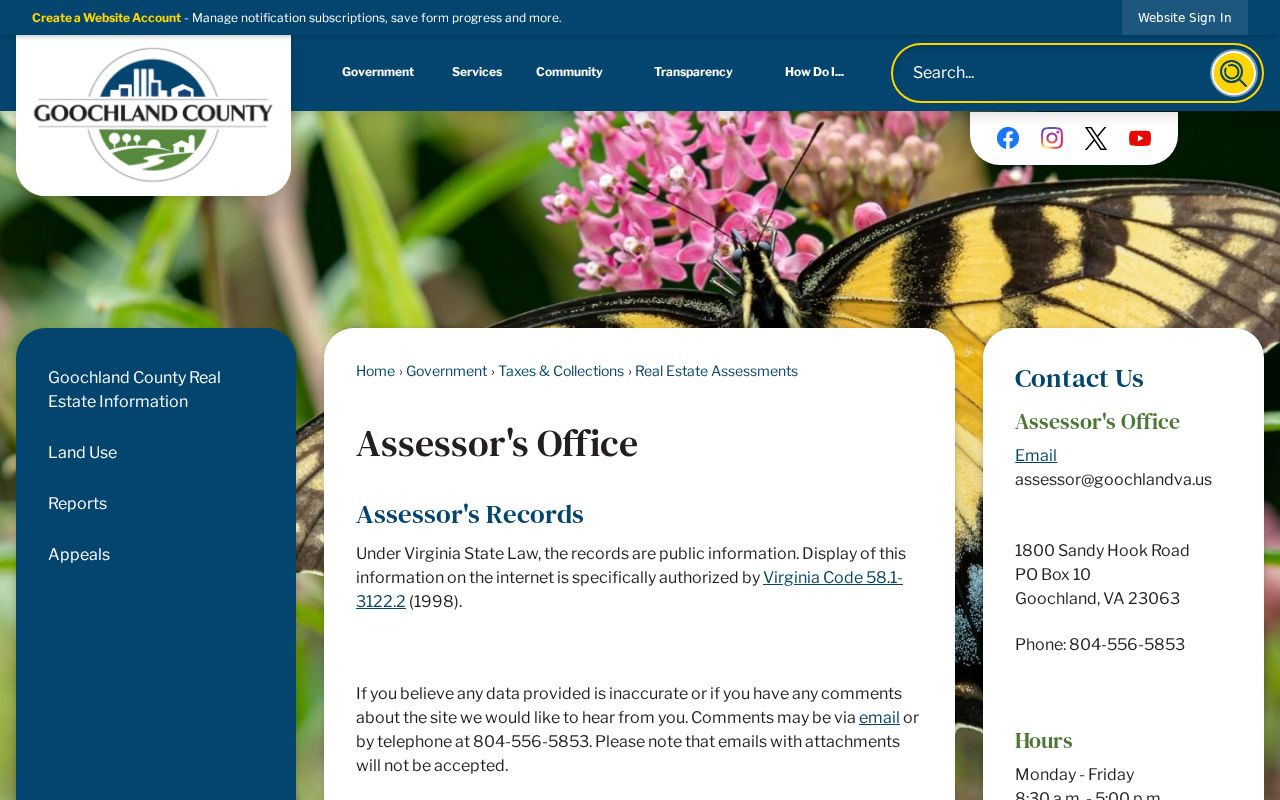
The update notice helps date the county's value record. It never turns an assessment into a market appraisal.
Looking Up a Goochland Assessment
Use the address or GPIN to find the parcel through Goochland's public assessment route. Note the current value and assessment year. Also note the owner name, GPIN, and any land or improvement breakdown shown. The county's text page does not display the live parcel-card labels. Confirm any missing field with the Assessor. The Parcel Viewer helps with location and the parcel key. It supplies no appraisal opinion.
- Find the parcel by its full address or GPIN in the county assessment and mapping route.
- Copy the exact value label, assessment year, and parcel identifier shown on the live record.
- Check a recorded deed for the transaction and stated consideration if the instrument includes it.
- Ask the Assessor to explain a taxable-value adjustment or parcel characteristic that is not clear from the display.
- Assessed value
- The county’s tax valuation for the parcel; it is not automatically the taxable amount or market price.
- Taxable value
- The amount subject to tax after any applicable adjustments shown by the county.
- Sale consideration
- Value stated as part of a recorded transfer, if the instrument reports it.
- Market appraisal
- An independent opinion prepared for a defined valuation purpose.
Sale Price and Goochland Deeds
A deed may state the consideration paid for a transfer. The county does not say how sale amounts appear on the assessor card. It also does not say how they appear in the index results. A recorded price belongs to one transaction on one date. It is no guarantee of current market value. Financing, condition, acreage, easements, or a family transfer can make two figures hard to compare. When you need a sale price, inspect the deed itself. Note its recording reference, transfer date, legal description, and parties. A blank online field does not mean no sale occurred. The Circuit Court Clerk keeps the recorded instrument. The Assessor keeps the valuation record.
Reviewing a Goochland Value Notice
Goochland's informal assessment review deadline is February 15. A phone request must come in by 5 p.m. that day. A mailed request needs a postmark by the same deadline. After the informal review, the owner receives a results letter. That letter opens 30 days to request Board of Equalization review. These dates cover the appeal only. Compare the notice with the parcel's physical facts. Keep the GPIN, the year, and any evidence you submit. The county publishes no numeric assessment ratio. It publishes no last-revaluation year either. Ask the Assessor before using either in a comparison. Bill and review steps appear in Goochland property tax records. Read the current county assessment appeal FAQ for deadline details.
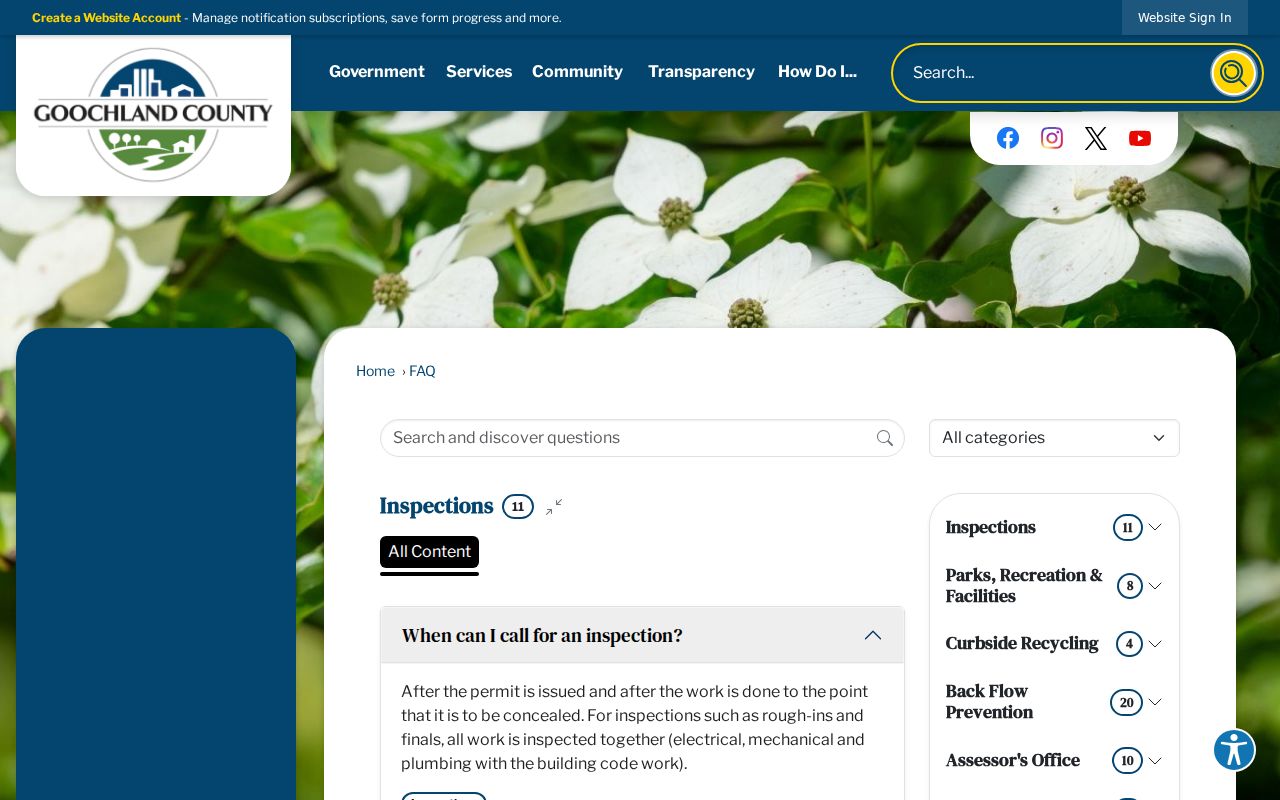
Save the results letter, since it opens the separate 30-day window for a Goochland Board of Equalization request.
Growth Context for Goochland Values
The 2026 Future Growth Map tracks planning status across Goochland County. It reports 1,048 active lots, 678 inactive lots, subdivision codes, and vacant-lot density. Those counts describe planning status, not a price trend. Neither figure measures a single property's market value. Adjusted cash-proffer tables in the county's proffer schedule take effect July 1, 2026. Permits applied for before January 1, 2025 get separate treatment from later ones. Proffers govern development conditions, not assessed value.
Growth maps work best as surrounding context. Use one when researching a parcel's neighborhood, never as a stand-in for the assessment card or a sale comparison. A growth designation does not approve a particular use. Community Development handles official zoning and planning questions, and the Assessor warns against relying on the assessment site's zoning description for a current determination.
The 2026 Future Growth Map notes carry the counts.
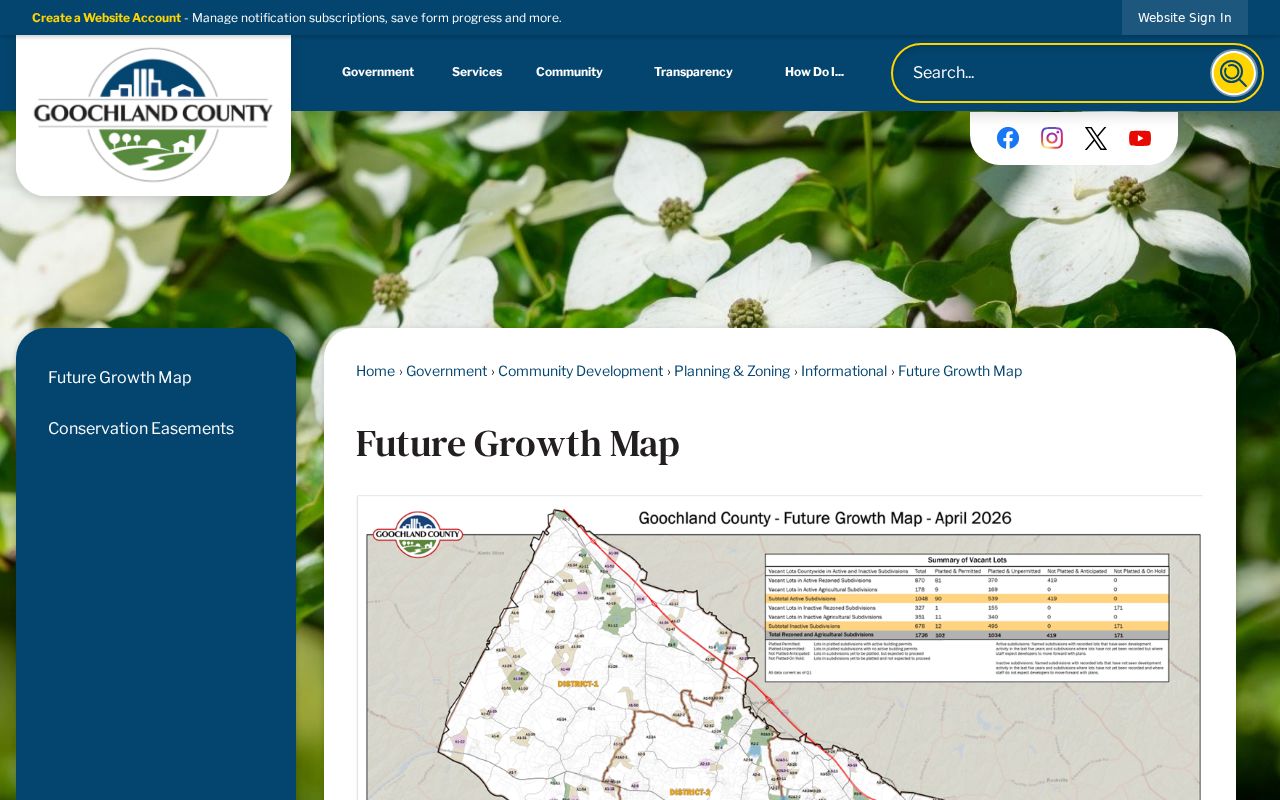
It maps growth patterns, not assessments or sale prices.
Goochland Property Value and Zoning Context
Zoning labels displayed alongside assessment data are not an official current zoning determination, the Assessor cautions. That matters when comparing a Goochland property value. An informal or outdated zoning label proves nothing about permitted use or market potential. Community Development answers official zoning questions for the county.
Keep the two questions separate. An assessed value supports tax administration, while zoning and permit files describe planning review. Neither record alone is an appraisal. When a value comparison hinges on a specific allowed use, verify current zoning with the county before relying on that assumption.
Limits of a Goochland Property Value
The Assessor's number exists for tax administration. It does not promise what a parcel would sell for. The county publishes no ratio or current revaluation date that would convert the figure into a market price. GIS geometry cannot judge condition or prove legal area. For a sale, loan, estate, or dispute, the question may call for a licensed appraiser or a title and survey professional. The right record depends on the decision at hand.
Value vs price. Goochland’s assessed value is a tax figure, not a sale quote or a private appraisal. Use a licensed appraiser when an independent market opinion is required.